


+91 9920993387 contact@loomfolks.com
Apply 'FOLKS10' COUPON at Checkout FOR 10%OFF

Mini Cart

Is silk saree good for summer?

Silk sarees are generally not ideal for peak summer weather, especially in hot and humid climates. Pure silk is less breathable and tends to retain heat, which can make it uncomfortable for long hours in summer. However, lighter silk varieties and silk blends can be suitable for short durations, formal occasions, or air-conditioned environments.

Queen Rani Color Tussar Muga Banarasi Saree5
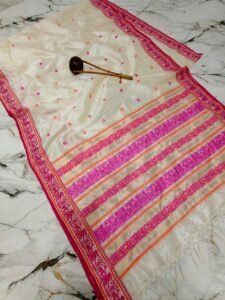
Divine Off White Pure Gacchi Tussar Baluchuri Saree
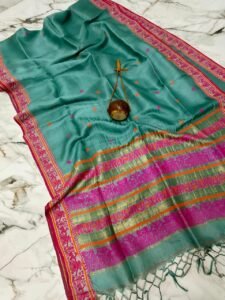
Green Pure Gacchi Tussar Baluchuri Saree

Why are silk sarees uncomfortable in hot weather?

Silk fibers have a dense structure that limits airflow.

Common issues during summer:

    • Traps body heat
    • Limited breathability compared to cotton or linen
    • Can feel heavy during long wear
    • Not ideal for humid conditions

Because of this, pure silk sarees are better suited for cooler weather or indoor settings.

Do silk sarees absorb sweat?

Silk absorbs some moisture but does not release it quickly.

This means:

    • Sweat may remain trapped
    • Fabric may feel warm over time
    • Less comfort in high humidity

Natural fabrics like linen and cotton perform better for moisture management in summer.

Are there silk sarees suitable for summer?

Yes, certain lighter silk varieties are more summer-friendly.

Examples include:

    • Cotton silk sarees
    • Tussar silk (lighter weaves)
    • Silk linen blends
    • Soft silk with minimal zari

These options offer a balance between elegance and comfort for warm weather.

When can silk sarees be worn during summer?

Silk sarees are suitable in summer for:

    • Short events or ceremonies
    • Evening occasions
    • Indoor or air-conditioned environments
    • Limited-duration wear

For daily or all-day use, breathable fabrics are more comfortable.

Silk vs cotton vs linen sarees for summer

Fabric Summer Comfort Breathability Best Use
Silk Low Low Occasional, indoor wear
Cotton High High Daily summer wear
Linen Very high Very high Hot & humid climates

This comparison helps choose the right fabric based on comfort needs.

FAQs about silk sarees in summer

Is pure silk saree suitable for hot weather?

Pure silk sarees are not ideal for hot weather as they retain heat and offer limited breathability.

Can silk sarees be worn in humid climates?

Silk sarees may feel uncomfortable in humid climates due to reduced airflow and moisture retention.

Are cotton silk sarees good for summer?

Yes. Cotton silk sarees are lighter and more breathable than pure silk, making them more suitable for summer wear.

Is tussar silk good for summer?

Yes. Tussar silk is lighter and airier than many other silk varieties and can be worn comfortably for short summer occasions.

Which saree fabric is best for summer overall?

Linen and cotton sarees are the best choices for summer due to their breathability, moisture absorption, and cooling properties.


Both cotton and linen sarees are excellent for summer, but they serve slightly different needs. Cotton sarees are soft, breathable, and ideal for everyday comfort, while linen sarees offer superior airflow, moisture absorption, and a crisp structure that keeps the body cooler in hot and humid weather. The better choice depends on climate, comfort preference, and usage.

Timeless Beautiful Off White Exclusive Mul Cotton Jamdani Saree
Fresh White Pure Cotton Soft Saree With Color Filled Pallu
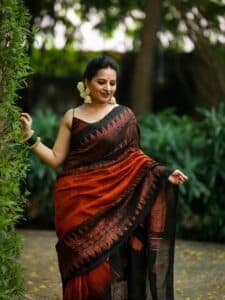
Mesmerizing Rust Black Handwoven Linen Saree With Lotus Design Pallu

What is the difference between cotton and linen sarees?

The primary difference lies in the fiber source and fabric behavior.

    • Cotton sarees are made from cotton plant fibers and are known for softness and comfort
    • Linen sarees are made from flax fibers and are known for breathability and cooling


Both are natural fabrics, but linen generally performs better in extreme heat.

Which saree fabric is more breathable in summer?

Linen sarees are more breathable than cotton sarees.

Reasons:

  • Linen fibers allow better air circulation
  • Heat escapes faster through linen fabric
  • Linen does not trap moisture


Cotton remains breathable, but linen offers stronger cooling properties in hot and humid climates.

Which fabric absorbs sweat better: cotton or linen?

Both fabrics absorb moisture well, but linen absorbs and releases moisture more efficiently.

    • Cotton absorbs sweat and retains moisture
    • longerLinen absorbs moisture and dries faster


This makes linen sarees feel less sticky during long summer hours.

Are cotton or linen sarees better for daily wear?

Cotton sarees are generally better for daily casual wear, while linen sarees are preferred for structured or office wear.

    • Cotton sarees: soft, easy, low-maintenance
    • Linen sarees: crisp, professional, airy


Many women choose cotton for home and linen for workdays.

Cotton vs linen sarees: summer comparison table

Feature Cotton Saree Linen Saree
Breathability High Very high
Sweat absorption Good Excellent
Drying speed Moderate Fast
Texture Soft Crisp
Wrinkling Moderate Natural wrinkles
Best for Everyday wear Office & hot climates


Which saree fabric is better for humid weather?

Linen sarees are better suited for humid climates.

Because linen dries quickly and allows airflow, it remains comfortable in:

    • Coastal regions
    • Tropical weather
    • Long outdoor summer wear


Cotton may feel damp for longer periods in high humidity.

FAQs about cotton vs linen sarees

Which is cooler in summer: cotton or linen saree?

Linen sarees are generally cooler than cotton sarees because they allow better airflow and dry faster after absorbing moisture.

Are linen sarees uncomfortable compared to cotton?

No. Linen feels crisp initially but becomes softer with use and washing while remaining breathable and comfortable.

Do cotton sarees wrinkle less than linen sarees?

Yes. Cotton sarees wrinkle less than linen sarees, which wrinkle naturally as part of their texture.

Are cotton sarees cheaper than linen sarees?

Generally, cotton sarees are more affordable than linen sarees due to lower fiber and weaving costs.

Can both cotton and linen sarees be worn in summer?

Yes. Both are natural, breathable fabrics suitable for summer, with linen offering stronger cooling benefits in hot and humid conditions.

Yes, linen sarees are excellent for summer. Linen is a natural, breathable fabric made from flax fibers that allows air circulation, absorbs moisture, and keeps the body cool. Because of these properties, linen sarees are especially comfortable in hot and humid weather, making them a popular choice for Indian summers, office wear, and daily use.

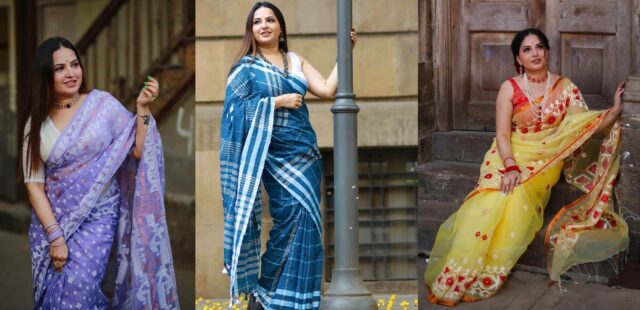
Gorgeous Golden Check Linen Saree With Sky Blue Selvedge Border
Divine OffWhite Linen Handwoven Jamdani Saree With Thin Borders

Why are linen sarees ideal for hot weather?

Linen sarees perform exceptionally well in summer due to their natural structure.

Key benefits include:

    • Excellent breathability that allows airflow
    • High moisture absorption without feeling sticky
    • Lightweight feel suitable for long hours of wear
    • Reduced risk of heat rashes or skin irritation


These qualities make linen sarees comfortable even during peak summer temperatures.

Do linen sarees keep the body cool?

Yes. Linen fibers naturally regulate temperature by allowing heat to escape from the body.

Unlike synthetic fabrics, linen:

    • Does not trap heat
    • Dries quickly after absorbing sweat
    • Feels airy and fresh even in humid conditions


This cooling effect makes linen sarees suitable for all-day summer wear.

Are linen sarees comfortable for daily and office wear?

Yes. Linen sarees are widely preferred for daily and office wear during summer.

Reasons include:

    • Crisp structure that looks professional
    • Comfortable drape for long working hours
    • Minimal heaviness compared to silk sarees
    • Easy movement and airflow


Many women choose linen sarees for meetings, travel, and regular workdays in warm climates.

How do linen sarees compare to cotton sarees in summer?

Both linen and cotton are summer-friendly fabrics, but they differ slightly in performance.

Feature Linen Saree Cotton Saree
Breathability Very high High
Moisture absorption Excellent Good
Weight Lightweight Lightweight
Texture Crisp, airy Soft
Best for Hot & humid weather, office wear Everyday casual wear

Linen sarees are often preferred when cooling and structure are priorities.

Are linen sarees suitable for humid climates?

Yes. Linen performs very well in humid weather because it absorbs moisture and dries faster than many other fabrics.

This makes linen sarees suitable for:

    • Coastal regions
    • Tropical climates
    • Long outdoor hours in summer

FAQs about linen sarees in summer

Is a linen saree too heavy for summer?

No. Linen sarees are lightweight and breathable, making them comfortable even in high summer temperatures.

Do linen sarees cause sweating?

No. Linen absorbs moisture and allows airflow, which helps reduce sweating and keeps the body feeling fresh.

Are linen sarees good for sensitive skin?

Yes. Linen is a natural, hypoallergenic fabric that allows ventilation and minimizes skin irritation.

Can linen sarees be worn daily in summer?

Yes. Linen sarees are durable, breathable, and comfortable, making them suitable for daily wear during summer months.

Do linen sarees wrinkle in summer wear?

Yes, linen wrinkles naturally. These wrinkles are considered part of linen’s authentic and natural appearance.

Linen fabric is a natural textile made from the fibers of the flax plant. It is lightweight, breathable, and highly absorbent, making it ideal for hot and humid climates like India. Linen is valued for its durability, natural texture, and cooling properties, which is why it is commonly used in summer clothing, handwoven sarees, and everyday wear.

What is linen fabric made from?

Why is linen fabric good for Indian weather?

Is linen fabric better than cotton?

Is linen fabric sustainable?

How is linen fabric used in clothing?

FAQs about linen fabric

Does linen fabric shrink after washing?

Yes, linen can shrink slightly if washed in hot water. Washing linen in cold water and air drying helps maintain its original size and texture.

Is linen suitable for daily wear?

Yes. Linen is strong, breathable, and comfortable for long hours, making it suitable for everyday office and casual wear, especially in warm climates.

Does linen wrinkle easily?

Yes, linen wrinkles naturally due to its fiber structure. These wrinkles are considered part of linen’s natural and authentic appearance.

Is linen fabric soft or rough?

Linen feels crisp initially but becomes softer with every wash while retaining its breathability and durability.

Is linen fabric good for sensitive skin?

Yes. Linen is a natural, hypoallergenic fabric that allows airflow and reduces moisture buildup, making it suitable for sensitive or irritation-prone skin.

How long does linen fabric last?

With proper care, linen fabric can last for many years. Linen fibers are strong and often become more comfortable over time rather than wearing out quickly.